About Protea
The perfect pitch, built to order.
Purpose-built rollers, designed to give groundsmen a comfortable, straightforward machine — and manufactured to order, painted and branded to each client's specification.
Manufactured To Order
Every roller is built for the client who ordered it
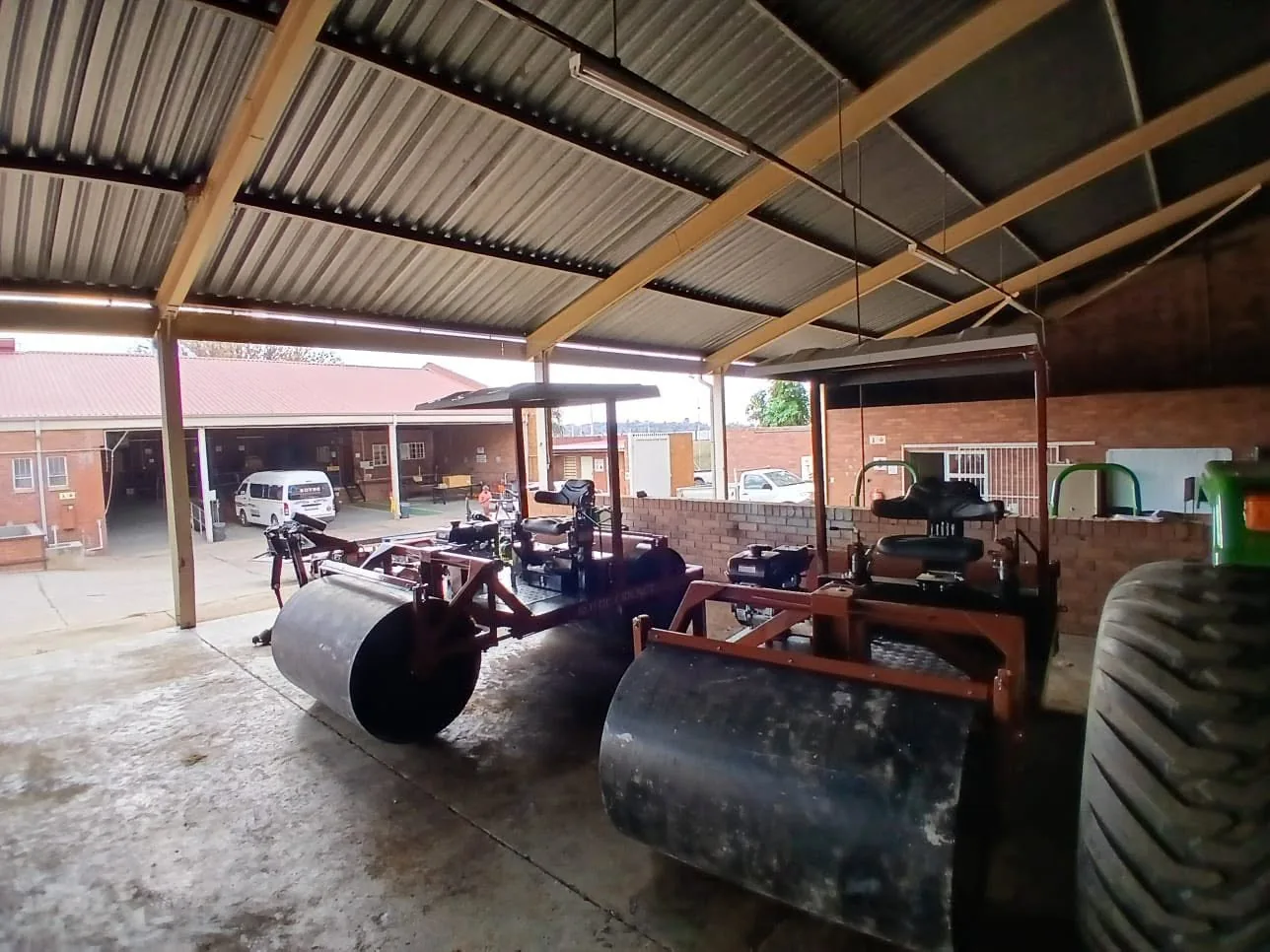
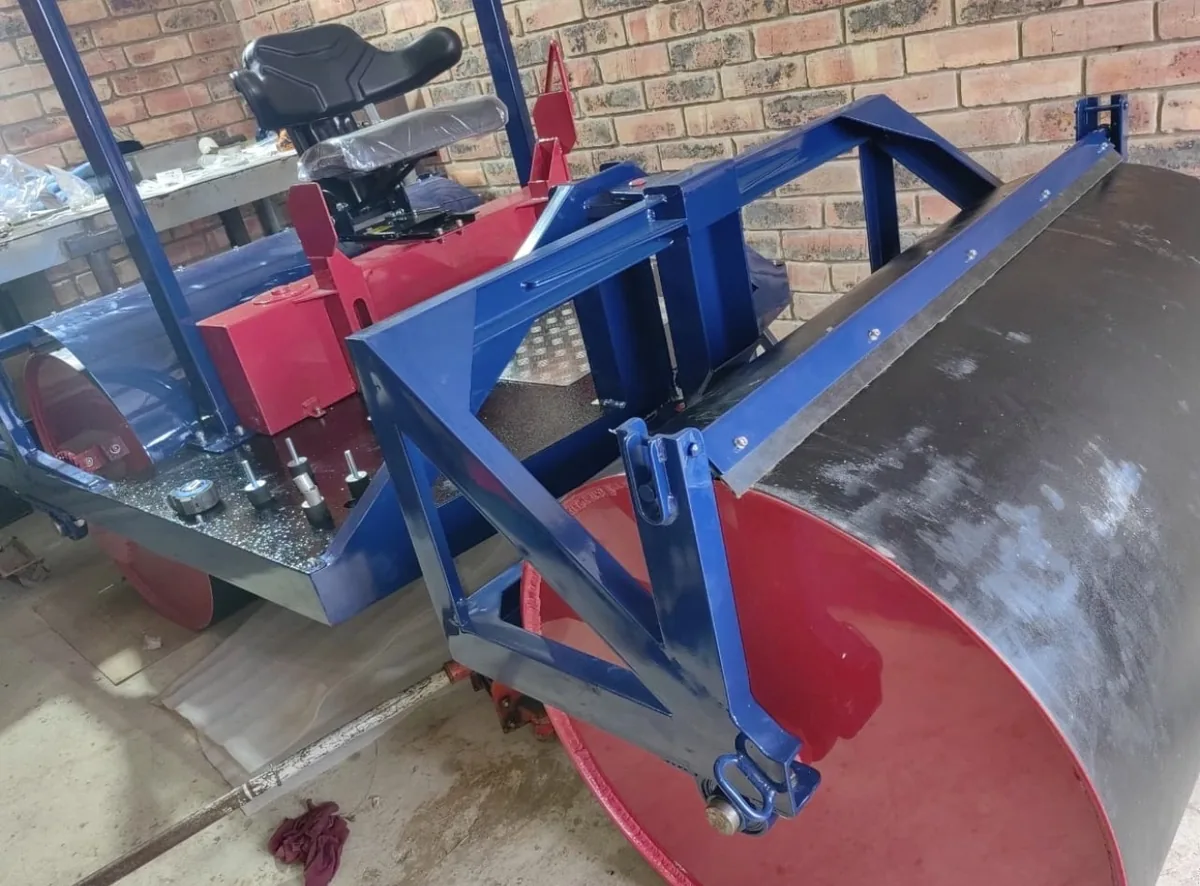
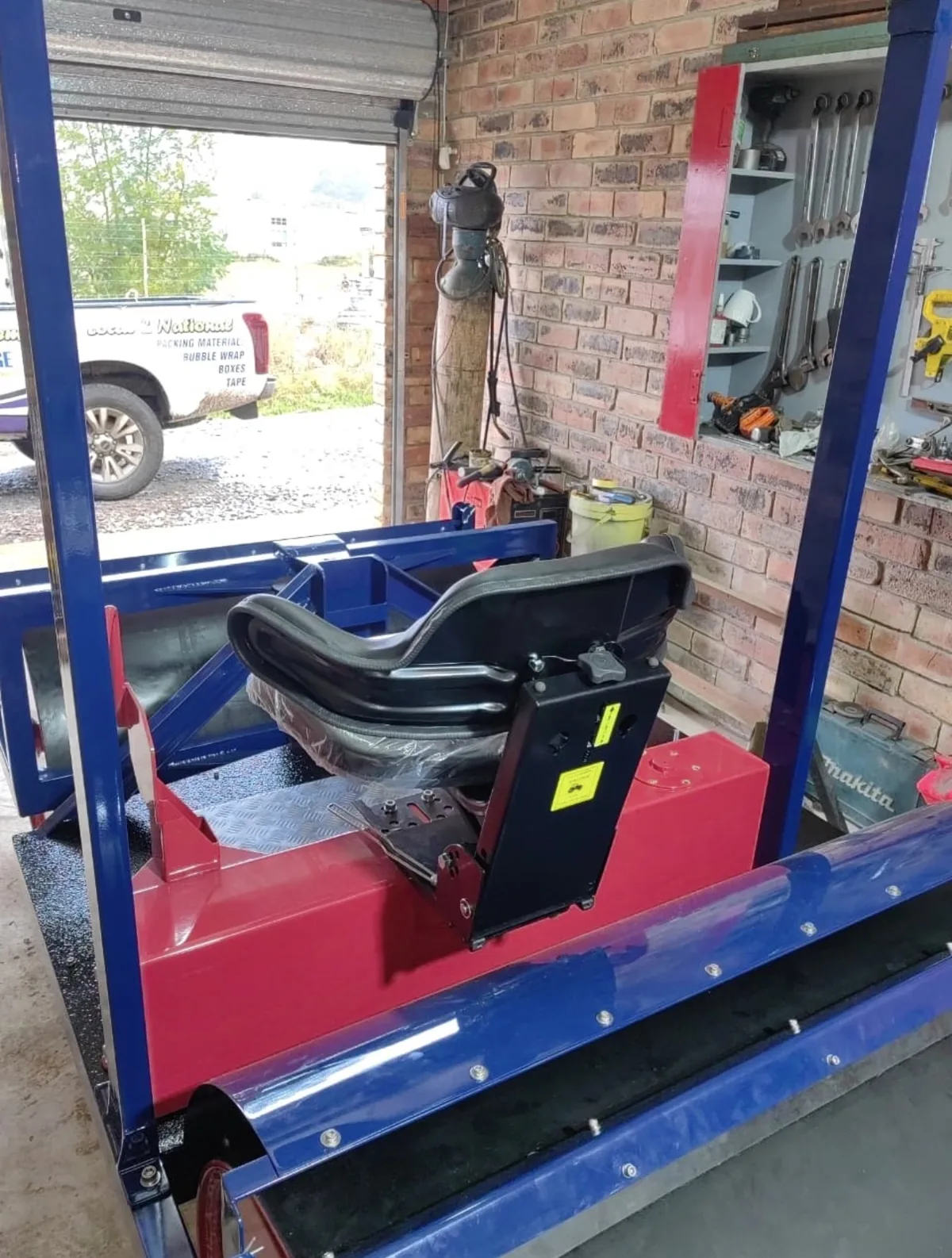
Nothing leaves Makhanda off-the-shelf. Each machine is manufactured to order and painted and branded to the client's specification — a roller for the Wanderers looks like it belongs to the Wanderers.
Tried and Tested
The shape hasn't needed to change. The mechanics have.
The shape and weight of the roller have stayed close to the original since the first machine. What's improved is the drive: the move to hydraulics reduced maintenance and long-term cost, and added power steering for manoeuvrability. The double drum ride-on is supplied with a canopy and a custom PVC cover for when it's standing idle. Where clubs needed a lower-cost alternative, Protea developed the single drum walk-behind roller — demonstrated to Cricket South Africa in 2019 and tested extensively since.
Why Ballast
Two rollers, in one machine
Both cricket pitch rollers change weight by adding or draining water from the drums — no second machine, no tools required.
As a pitch firms up over the season, so does the roller — light for early, soft ground; heavy for firm, in-season conditions that need real compaction. Every ground behaves differently, so being able to experiment with ballast means finding the right weight for a specific club or school ground, not a factory-set average.
A Common Question
So why not a tarmac roller?
Many clubs are tempted by hydraulically powered ex-road rollers — the upfront cost looks attractive. The differences that matter show up afterwards.
Ex-Road / Tarmac Rollers
- —Complex hydraulic wheel motors built into the drum centre, with specialised parts and labour that can make repairs uneconomic.
- —Small drums exert force at an angle rather than straight down, damaging the pitch over time.
- —No ballast facility to experiment and find the right weight for a specific ground.
- —Weight relies on a single axle instead of being shared across both rolls, and the machine can slip and damage the pitch.
- —High-pressure hydraulic pipes need replacing roughly every two years; a burst pipe means oil on the wicket.
- —Square-edged rolls that can ridge the ground, especially early season when it's softer.
Protea Pitch Rollers
- +A straightforward hydraulic pump and motor, with fewer specialist parts and lower long-term running costs.
- +Large-diameter drums direct force vertically, compacting without shifting the surface.
- +Variable water ballast for experimenting with the right weight for your specific ground.
- +Tandem roller configuration displaces weight evenly across both rolls.
- +Standard hydraulic maintenance, without a high-pressure pipe replacement cycle.
- +Roll profile designed against ridging, even on soft ground.
The Range
Cricket rollers, and a bowling green polisher
Two purpose-built cricket pitch rollers, and a four-roller bowling green polisher for fine turf. All manufactured to order in Makhanda.